

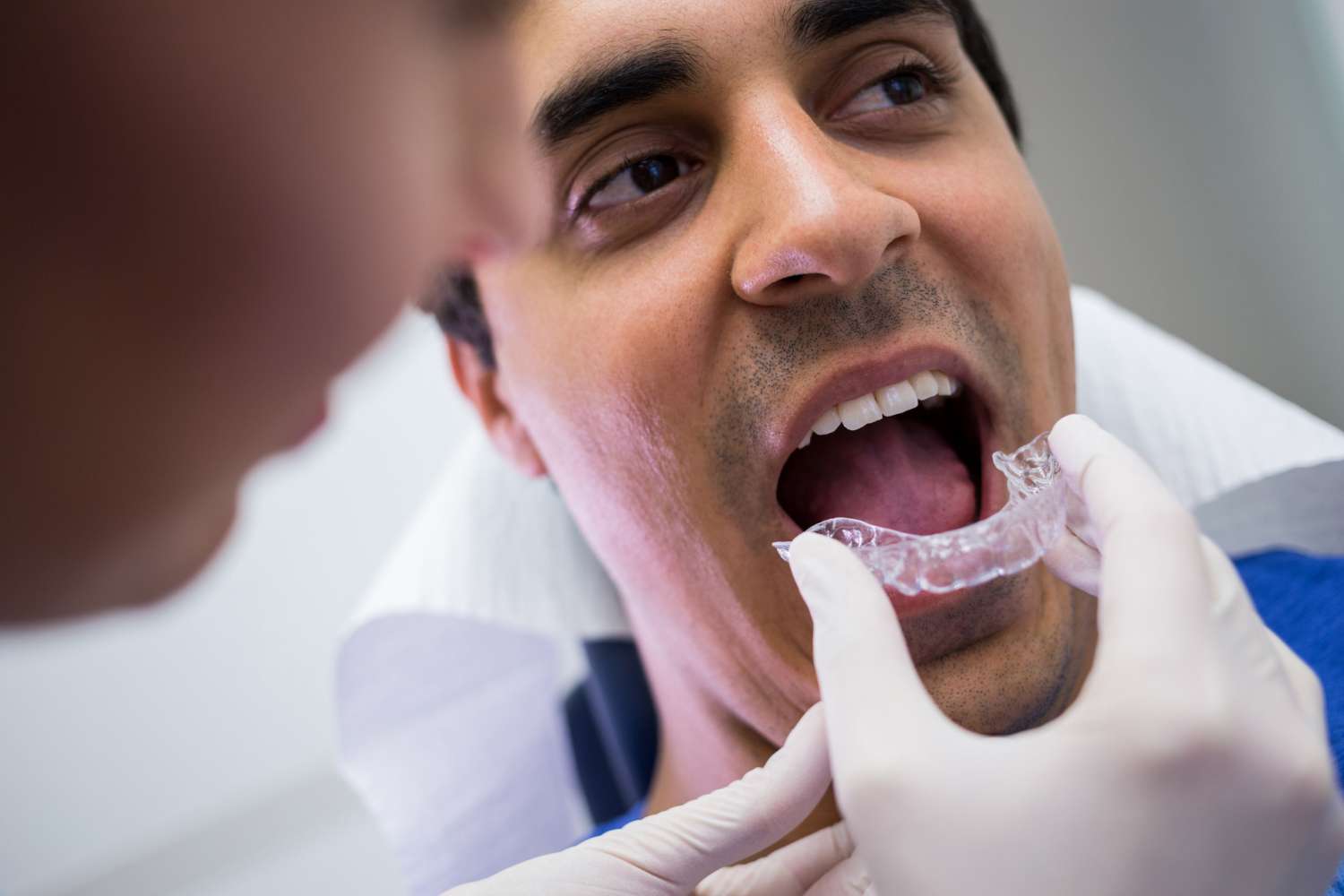
Bruxism is the habit of clenching, grinding, or gnashing the teeth, often without realising it. It can happen during the day (often linked to focus or stress) or at night (sleep bruxism). Our Bruxism Teeth Grinding Treatment team at Dental Specialists of Turramurra treats the habit, protects the teeth, and rebuilds what has been worn down.
If you wake up with a sore jaw, get morning headaches, or have teeth that look flat or chipped, this guide is for you. We will walk through what bruxism is, what causes it, the signs to watch for, and the treatments our team uses to stop the damage and rebuild worn teeth.
What is bruxism and what causes it?
Bruxism is the repeated habit of clenching, grinding, or pressing the teeth together, often without the person realising it. It comes in two main forms: awake bruxism, which usually shows up as clenching during the day when you are focused or stressed, and sleep bruxism, which happens while you are asleep and tends to involve more forceful grinding. Most people grind their teeth from time to time. Bruxism becomes a problem when the habit is frequent or forceful enough to damage the teeth, the jaw, or both. Bruxism is also one of the main causes of TMD (temporomandibular disorder), the term for pain or clicking in the jaw joint.
There is no single cause. Most cases come from a mix of physical and lifestyle factors.
In many patients, two or three of these factors sit on top of each other, which is enough to start a grinding habit that slowly wears the teeth down.
What are the signs of teeth grinding?
Bruxism is often called a silent problem because most grinding happens at night. The first sign is usually damage, not pain.
If you have several of these signs, it is worth a check-up. The earlier the habit is caught, the less damage there is to repair.
How does a dentist treat bruxism?
Treatment usually has three parts: protect the teeth, address the cause, and rebuild what has been worn down.
A night splint (also called an occlusal splint or night guard) is a hard acrylic cover that fits over the upper or lower teeth and is worn while sleeping. It does not stop you from clenching, but it spreads the load, protects the teeth, and gives the jaw muscles a chance to rest. Most patients notice fewer morning headaches and less jaw soreness within two weeks. Our team takes a digital scan or impression and has the splint custom-made in a lab.
A splint protects the teeth, but it does not fix the cause. Common next steps include a sleep and airway check if snoring or sleep apnoea is suspected, a bite analysis, a stress and habit review (lips together, teeth apart, cut back on afternoon caffeine, avoid chewing gum), and orthodontic or restorative treatment to even out the bite.
Once grinding is under control, our team can rebuild worn teeth. Options range from small tooth-coloured fillings and onlays for mild wear, to crowns, veneers, and full-mouth rehabilitation for teeth that have lost a lot of height. Our Anti-ageing Complex Restorative Dental Care page walks through the larger rebuilds.
For patients who feel anxious about treatment, our team uses a computerised anaesthetic unit that delivers local anaesthetic drop by drop through a tiny point, so numbing is gentler than a conventional needle.
What if my jaw also hurts or clicks?
Jaw pain, clicking, or locking is a sign that bruxism has led to TMD. The same habits that wear the teeth down also strain the jaw joint. Our team treats TMD alongside bruxism, and the two plans usually overlap: a night splint to take pressure off the joint, jaw exercises to retrain the muscles, bite adjustments to balance the load, and a referral to a GP, physiotherapist, or pain specialist if the joint needs more support. If your jaw locks open or closed, or you cannot open wide, call us on (02) 9488 7455 so we can see you quickly.
How do I stop grinding coming back?
A night splint is the first step, not the last. Once the teeth are protected, our team can help you build a small daily plan. The four habits that make the biggest difference are: wear your splint every night and bring it to every check-up; keep your jaw relaxed during the day (lips together, teeth apart, tongue gently on the roof of your mouth); cut back on caffeine and alcohol in the late afternoon and evening, especially if you also snore; and talk to your GP if stress, anxiety, or poor sleep is driving the habit.
If your bite has changed because of wear, or teeth are missing, our team can talk through the long-term options to balance the bite.
Book a bruxism check-up in Turramurra
If you are in Turramurra or anywhere on the upper North Shore, our team at Dental Specialists of Turramurra is here to help. Call (02) 9488 7455 to book. The practice is at Suite 1-2, 1335 Pacific Highway, Turramurra NSW 2074, open Monday to Friday, 9:00 am to 5:00 pm. Our lead prosthodontist Dr Anthony Au and our team tailor each plan to the teeth in front of them, because no two cases of wear are the same.
Frequently Asked Questions
Can a child grind their teeth?
Yes. Grinding is common in children, often when baby teeth are erupting or being lost, and it usually settles on its own. If it is loud, frequent, or causing wear or jaw pain, a check-up is worth it.
Will a mouthguard from the chemist work?
A chemist mouthguard can protect teeth in a pinch, but it is bulkier and less comfortable than a custom splint. Most patients who try one give up after a few weeks. A custom splint from your dentist is thinner, fits better, and is much more likely to be worn every night.
Does grinding mean I have sleep apnoea?
Not always, but the two are linked. Sleep bruxism is more common in people who snore or have sleep apnoea. If you snore, wake up tired, or your partner notices you stop breathing at night, mention it at your check-up so we can refer you for a sleep assessment.
How long does a night splint last?
A well-cared-for custom splint usually lasts 2 to 5 years. Bring it to your check-ups so we can check the fit. If it cracks, gets loose, or feels uncomfortable, book a visit so we can adjust it.