

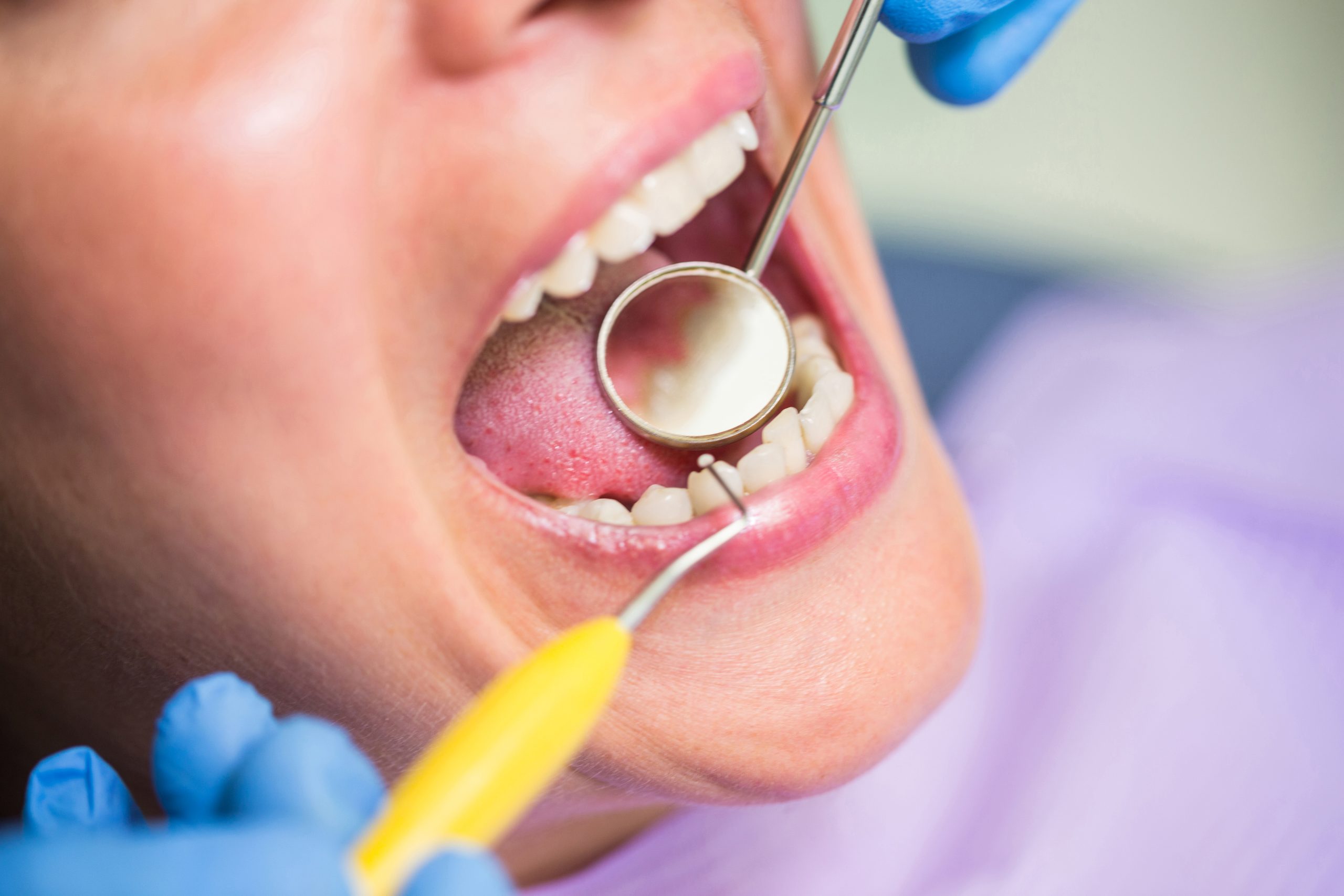
Chipped tooth repair in Turramurra depends on how big the chip is. A small chip can be fixed in one visit with bonding. A bigger chip that affects the biting edge or the nerve needs a veneer or a crown. At Dental Specialists of Turramurra, our team handles all 3 options under one roof, and we offer same-day emergency care through our Chipped Tooth Repair service.
This guide is in plain English. Short sentences. No dental jargon unless we explain it.
What counts as a chipped tooth?
A chipped tooth is any tooth that has lost a piece of its outer shell. The outer shell is the hard white enamel. The inner layer underneath is softer and yellower. It is called dentine.
Chips come in 3 sizes:
- Small. A flake off the biting edge. No pain. Often unnoticed until you run your tongue over it.
- Medium. A clear piece missing. You can feel it with your lip. The tooth may feel rough or sharp.
- Large. A big chunk gone, sometimes with bleeding or nerve pain. The tooth may now look shorter than the teeth next to it.
What should I do in the first hour after a chip?
Follow these 4 steps:
- Rinse with warm salt water. This cleans the area and lowers the risk of infection.
- Save the piece if you can find it. A whole broken piece can sometimes be rebonded.
- Cover the sharp edge. Use a small piece of sugar-free gum or dental wax from a chemist.
- Call us on (02) 9488 7455. We keep same-day emergency slots open.
If there is bleeding that does not stop, or you are in severe pain, contact our Emergency Dentist Turramurra service straight away.
How does the dentist decide between bonding, veneer, or crown?
The choice depends on 4 things:
- Size of the chip. Small chips suit bonding. Large chips need a crown.
- Where the chip is. Front teeth need the most natural look. Back teeth need the most strength.
- How much healthy tooth is left. A crown wraps and protects a tooth that is mostly still there. If very little is left, we plan a different build-up.
- Bite forces. A heavy bite or grinding habit changes the plan.
Here is a quick rule of thumb:
How does composite bonding work?
Composite bonding is a tooth-coloured resin (a kind of strong plastic paste) that the dentist builds up in layers on the tooth. Each layer is set hard with a blue light. The dentist then shapes and polishes it so it blends with the rest of the tooth.
Bonding has 3 main benefits:
- One visit. Most chips are fixed in 30 to 60 minutes.
- No numbing needed for very small chips.
- Easy to repair if it ever chips again.
The trade-off is that composite stains a little over time and is not as strong as porcelain. It needs the occasional polish at your check-up.
When is a veneer a better choice than bonding?
A veneer is a thin shell of porcelain that covers the front of the tooth. We recommend a veneer when:
- The chip is on a front tooth you can see in photos.
- The tooth is also stained, uneven, or has an old filling.
- You want a result that lasts 10 years or more.
A veneer takes 2 visits. At the first visit we prepare the tooth and take a digital scan. At the second visit we bond the finished veneer in place. The result is colour-matched to your other teeth using a shade guide (a small set of tooth-shaped colour samples).
When is a crown the right fix?
A crown is a tooth-shaped cap that covers the whole tooth down to the gum. We recommend a crown when:
- The chip takes up more than half the tooth.
- The tooth has had a root canal.
- There are cracks spreading away from the chip.
- It is a back tooth taking heavy bite force.
A crown takes 2 visits. The tooth is shaped, scanned, and a temporary crown is fitted. The final crown is bonded in place about 2 weeks later. Our crowns are made from high-strength porcelain matched to your other teeth.
What does treatment feel like at your practice?
We keep you comfortable. Our lead prosthodontist, Dr Anthony Au, uses a computerised anaesthetic that numbs you drop by drop. No big needles. Most patients say they barely feel it.
While we work, you can:
- Watch a DVD on a virtual reality headset.
- Have an aromatherapy eye pack placed over your eyes.
- Listen to calming music.
- Ask for premedication or inhalational analgesia if you feel anxious.
Afterward, we serve Italian espresso, tea, or a herbal infusion in our lounge.
How much does chipped tooth repair cost?
The cost depends on the size of the chip and the option you choose. We do not publish prices. After your first visit we will give you a clear written quote.
You can spread the cost with Afterpay, DentiCare, or humm. We accept BUPA, Medibank, and other major health funds.
Will the chip come back?
A bonded or veneered tooth can chip again if you bite something hard or grind at night. To lower the risk:
- Avoid biting ice, pens, or fingernails.
- Wear a night splint if you grind.
- See us for a check-up every 6 months.
If a bonded repair does chip, we can usually patch it in one short visit.
How do I book?
Call us on (02) 9488 7455 or visit us at Suite 1-2 / 1335 Pacific Highway, Turramurra NSW 2074. We are open Monday to Friday, 9:00 am to 5:00 pm. Same-day emergency slots are kept open every day for chipped and broken teeth.
You can also read more about our Cosmetic Dental Care options if you are thinking about a full smile refresh at the same time as the repair.
Frequently Asked Questions
Can a chipped tooth heal on its own?
No. Enamel does not regrow. The tooth can be smoothed or restored, but the lost piece will not come back.
Is a small chip worth fixing?
Yes. Small chips can be polished or bonded in a single short visit. Fixing them early stops the chip from spreading and protects the dentine underneath.
Should I worry if the chip does not hurt?
Not urgently, but it is still worth seeing us. Exposed dentine can wear faster than enamel, and small chips often grow into bigger ones.
Can the broken piece be glued back on?
Sometimes. If you can find the piece, keep it in milk or saliva and bring it in. Our team will check if it can be re-bonded.