

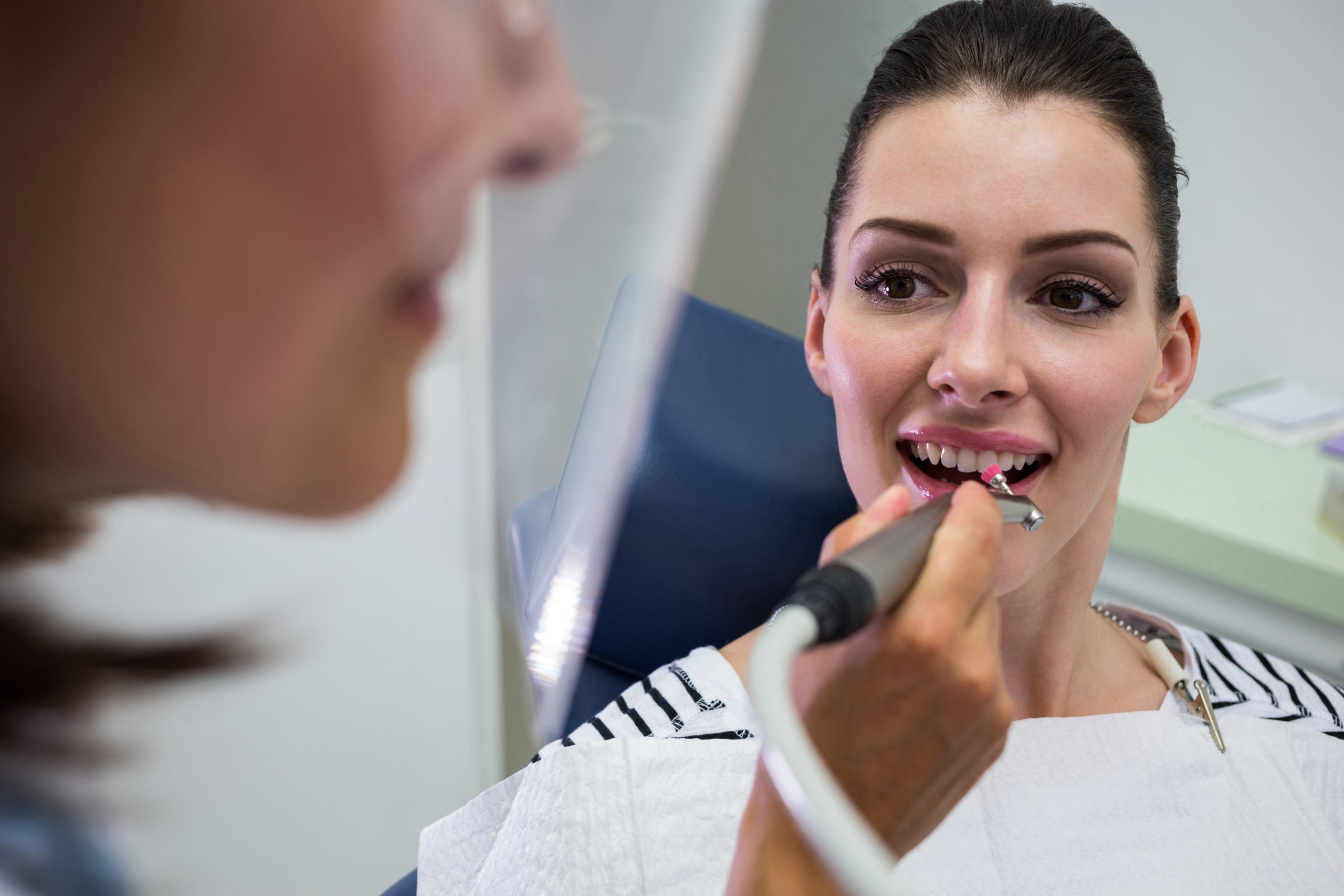
You have 3 main options for a missing single tooth: a dental implant, a bridge, or a partial denture. Each one has trade-offs in cost, time, and how it affects the teeth next to the gap. At Dental Specialists of Turramurra, our lead prosthodontist, Dr Anthony Au, plans all three under one roof through our Missing Single Tooth Options service.
This page is in plain English. Short sentences. No jargon unless we explain it.
Why does a missing tooth need to be replaced?
Even one missing tooth can cause 4 problems if it is left untreated:
- The teeth on either side drift into the gap over time.
- The tooth above or below grows out because it has nothing to bite against.
- The jawbone under the gap shrinks. This changes the shape of your face over years.
- Chewing shifts to the other side. This can wear the other teeth down.
The longer a gap is left, the more complex the fix becomes. Replacing a single tooth early is usually simpler and cheaper than waiting.
What are my 3 options?
Here is a quick comparison of the 3 main options. We go into more detail on each one further down.
All 3 work. The right one depends on your mouth, your budget, and what matters most to you.
Option 1: A single tooth implant
A single tooth implant has 3 parts:
- The implant. A small titanium screw placed into the jawbone. Titanium is a metal the bone bonds to.
- The abutment. A small connector that sits on top of the implant.
- The crown. The tooth-shaped part that shows in your smile. Made from high-strength porcelain and matched to your other teeth.
The treatment has 4 stages:
- Planning. We take a 3D scan of your jaw. We check the bone is tall and wide enough for an implant.
- Placing the implant. A small surgical step. Most patients say it is easier than having a tooth out.
- Healing. The bone bonds to the implant over 8 to 12 weeks. You wear a temporary tooth during this time.
- The crown. We scan the implant, design the crown, and bond it in place.
Why an implant is often the best long-term choice
There are 4 reasons dentists often recommend an implant for a single missing tooth:
- The teeth next door are not touched. A bridge needs those teeth to be shaped and crowned.
- The bone under the implant is preserved. This keeps the shape of your face.
- It looks and feels like a real tooth. You brush and floss it normally.
- It can last a lifetime with good care.
When an implant is not right
An implant may not be the right choice if:
- The bone is too thin or short. (We can sometimes build the bone up first.)
- You smoke heavily. Smoking slows healing around implants.
- You have uncontrolled diabetes or other health issues that affect healing.
Option 2: A dental bridge
A dental bridge is one piece made up of 3 or more crowns joined together. The end crowns sit over the teeth on either side of the gap. The middle crown fills the gap.
A bridge has 3 main benefits:
- It is faster than an implant. A bridge takes 2 to 3 visits over a few weeks.
- No surgery is needed. The teeth next door are shaped, scanned, and the bridge is cemented in place.
- It feels secure. The bridge is fixed in place. You do not take it out.
When a bridge is the right choice
A bridge works well when:
- The teeth on either side of the gap already need crowns.
- The jawbone is too thin for an implant and you do not want bone grafting.
- You want a faster result and you are happy to crown the teeth next door.
The trade-off
The teeth next to the gap have to be shaped down to fit the crowns. This is permanent. If those teeth are healthy now, an implant is often the better long-term choice because it leaves them alone.
Option 3: A single tooth partial denture
A partial denture is a removable plate with one or more fake teeth attached. It clips onto your other teeth with small metal or tooth-coloured clasps.
A partial denture has 3 main benefits:
- It is the lowest-cost option for replacing a single tooth.
- No surgery and no shaping of other teeth.
- It can be added to if you lose more teeth later.
The trade-off
A partial denture is removable. It takes a bit of getting used to. It does not feel as natural as an implant or a fixed bridge, and it does need to be taken out at night.
How does Dr Au decide which option is best for me?
Dr Au looks at 5 things at your first visit:
- The gap. Where it is, how big it is, and how much bone is around it.
- The teeth next door. Are they healthy, filled, or already crowned?
- Your bite. Heavy bites and grinding change the plan.
- Your gum health. Active gum disease must be treated first.
- Your goals and budget. A short-term fix versus a long-term plan.
We then give you a written plan with the 3 options, the steps, and the time each one takes.
How long does the whole treatment take?
It depends on the option:
- Implant: 3 to 6 months from first visit to final crown, with most of that time being healing.
- Bridge: 2 to 4 weeks.
- Partial denture: 2 to 4 weeks.
How much do missing single tooth options cost?
Costs vary depending on the option, the materials, and any extra work needed (such as bone grafting). We do not publish prices. After your first visit we give a clear written quote.
You can spread the cost with Afterpay, DentiCare, or humm. We accept BUPA, Medibank, and other major health funds.
How do I book?
Call us on (02) 9488 7455 or visit us at Suite 1-2 / 1335 Pacific Highway, Turramurra NSW 2074. We are open Monday to Friday, 9:00 am to 5:00 pm.
If you are also thinking about a smile refresh at the same time, read more about our Anti-ageing Complex Restorative Dental Care service.
What is comfort like during treatment?
Dr Au uses a computerised anaesthetic that numbs you drop by drop. No big needles. Most patients say they barely feel it. While we work, you can:
- Watch a DVD on a virtual reality headset.
- Have an aromatherapy eye pack placed over your eyes.
- Listen to music.
- Ask for premedication or inhalational analgesia if you feel anxious.
Afterward, we serve Italian espresso, tea, or a herbal infusion in our lounge.
Frequently Asked Questions
Can I leave the gap and do nothing?
You can, but over time the teeth next to the gap will drift, the bite can change, and the bone under the gap will shrink. Most people who leave a gap end up wanting a more complex fix later.
How do I know if I have enough bone for an implant?
We check this with a 3D scan at your first visit. If the bone is too thin or too short, we can often build it up with a bone graft first.
Is the implant surgery painful?
Most patients say it is easier than having a tooth out. There is some soreness for a few days, which is managed with normal pain relief.
Will the implant look like my other teeth?
Yes. The crown on top of the implant is custom-made to match the colour, shape, and surface texture of your other teeth. Most people cannot tell which tooth is the implant.