
Tooth sensitivity (also called dentine hypersensitivity) is a short, sharp twinge in a tooth when it meets something cold, hot, sweet, or sour. Our Sensitive Teeth Treatment team at Dental Specialists of Turramurra finds out why the tooth is reacting, then calms it down and protects it from coming back.
If a sip of cold water, a bite of ice cream, or cold air makes you wince, this guide is for you. We will walk through what sensitivity is, the common causes, what you can do at home, and what we can do in the chair.
What is tooth sensitivity?
Tooth sensitivity is a short, sharp pain in one or more teeth when they meet a trigger (cold, hot, sweet, sour, or cold air). The pain stops as soon as the trigger is gone. It is different from a constant toothache, which is usually a sign of decay or infection.
Inside every tooth is a soft centre called the pulp, which holds the nerve. The hard layer under the enamel is called dentine, and it is full of tiny tubes that run toward the nerve. When the enamel or the gum wears away, those tubes are exposed. A trigger touches the dentine, the message races down the tubes, and you feel a short twinge. The most common triggers are cold drinks, ice cream, hot tea or coffee, sweet food, and cold air through the mouth.
What causes sensitive teeth?
There are three main reasons dentine gets exposed: worn enamel, receding gums, and decay.
Gum recession is one of the most common reasons adults get sensitivity. It often comes from brushing too hard or from gum disease that has slowly shrunk the gum away from the tooth. Acid from soft drink, sports drinks, fruit juice, or reflux can also dissolve enamel over time.
What can I do at home for sensitive teeth?
There are four things to try at home before booking an appointment. Most patients notice a difference within two to four weeks.
- Switch to a desensitising toothpaste and use it twice a day. These toothpastes work by blocking the tiny tubes in dentine that lead to the nerve.
- Use a soft-bristled toothbrush and gentle pressure. Brushing harder does not clean better - it wears enamel and pushes gums back.
- Avoid brushing straight after acidic food or drink . Rinse with water, wait 30 minutes, then brush.
- Cut back on acidic drinks (soft drink, sports drinks, fruit juice) and drink them through a straw when you do have them.
If a particular tooth is sensitive, avoid chewing on that side until you can see us. Chewing on a sensitive tooth can make the cause worse.
What can a dentist do for sensitive teeth?
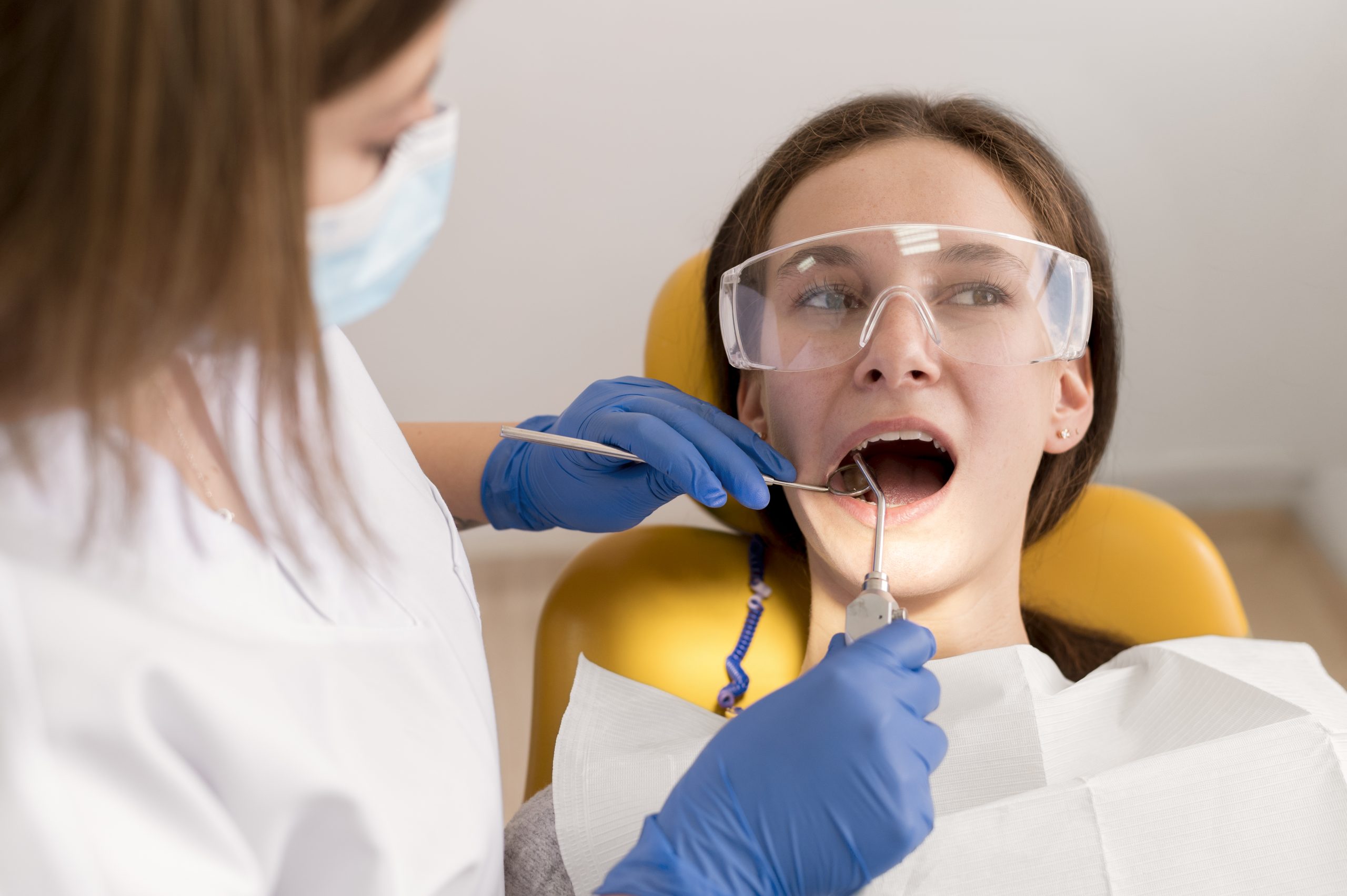
A dentist can find the cause, treat it, and protect the tooth from coming back. At a Sensitive Teeth Treatment visit, our team usually follows four steps.
For sensitivity along the gum line, our team can bond a thin layer of tooth-coloured material over the exposed root. For teeth sensitive because of grinding, we may talk about a night splint to stop the wear getting worse.
For patients who feel anxious about treatment, our team uses a computerised anaesthetic unit that delivers local anaesthetic drop by drop through a tiny point, so numbing is gentler than a conventional needle. Aromatherapy eye packs and virtual reality DVD viewers help you relax during longer visits.
When should I see a dentist about sensitive teeth?
Book a check-up if your sensitivity lasts more than a few weeks, gets worse, or sits in one tooth. A single sensitive tooth is more likely to have a specific cause (decay, a crack, a failing filling, or a clenching habit) that benefits from treatment. Call us sooner if the sensitivity is mixed with throbbing, swelling, a bad taste, or pain when biting. For anything that affects your breathing or swallowing, go straight to your nearest hospital emergency department.
Book a sensitive teeth check-up in Turramurra
If you are in Turramurra or anywhere on the upper North Shore, our team at Dental Specialists of Turramurra is here to help. Call (02) 9488 7455 to book. The practice is at Suite 1-2, 1335 Pacific Highway, Turramurra NSW 2074, open Monday to Friday, 9:00 am to 5:00 pm. Our lead prosthodontist Dr Anthony Au and our team tailor each plan to the tooth in front of them, because no two cases are the same.
Frequently Asked Questions
Can sensitive teeth go away on their own?
Mild sensitivity often settles in a few weeks with the right toothpaste and gentler brushing. Sensitivity that does not improve, gets worse, or sits in one tooth usually has a specific cause (decay, a crack, or recession) that needs treatment.
Is sensitivity a sign of a cavity?
It can be. Sensitivity to cold, hot, or sweet in one specific spot is a classic early sign of decay. An x-ray and a close look are the only way to know for sure.
How can I stop sensitivity coming back?
Once we have treated the cause, our team can put together a simple home plan at a Preventative Care visit. Most plans cover brushing with a soft brush and a desensitising toothpaste, daily flossing, limiting acidic food and drink, and wearing a night splint if grinding is wearing your enamel down.