
Losing one tooth is different from losing several. The gap looks small, the chewing still works on the other side, and the temptation is to leave it. The trouble is that a single missing tooth quietly changes the mouth around it. The neighbouring teeth tip. The opposing tooth grows down into the gap. The bone under the gum shrinks.
A single tooth dental implant is the most like-for-like replacement a specialist can offer. It looks like a tooth, feels like a tooth, and is cleaned like a tooth. Our team at Dental Specialists of Turramurra plans and places single tooth implants for adults across Sydney's upper North Shore. Our lead prosthodontist, Dr Anthony Au, oversees the planning, the placement, and the final crown.
This page walks through the decision. What a single tooth implant is, how it compares to a bridge or a partial denture, and what the path from first visit to final crown looks like.
What is a single tooth implant?
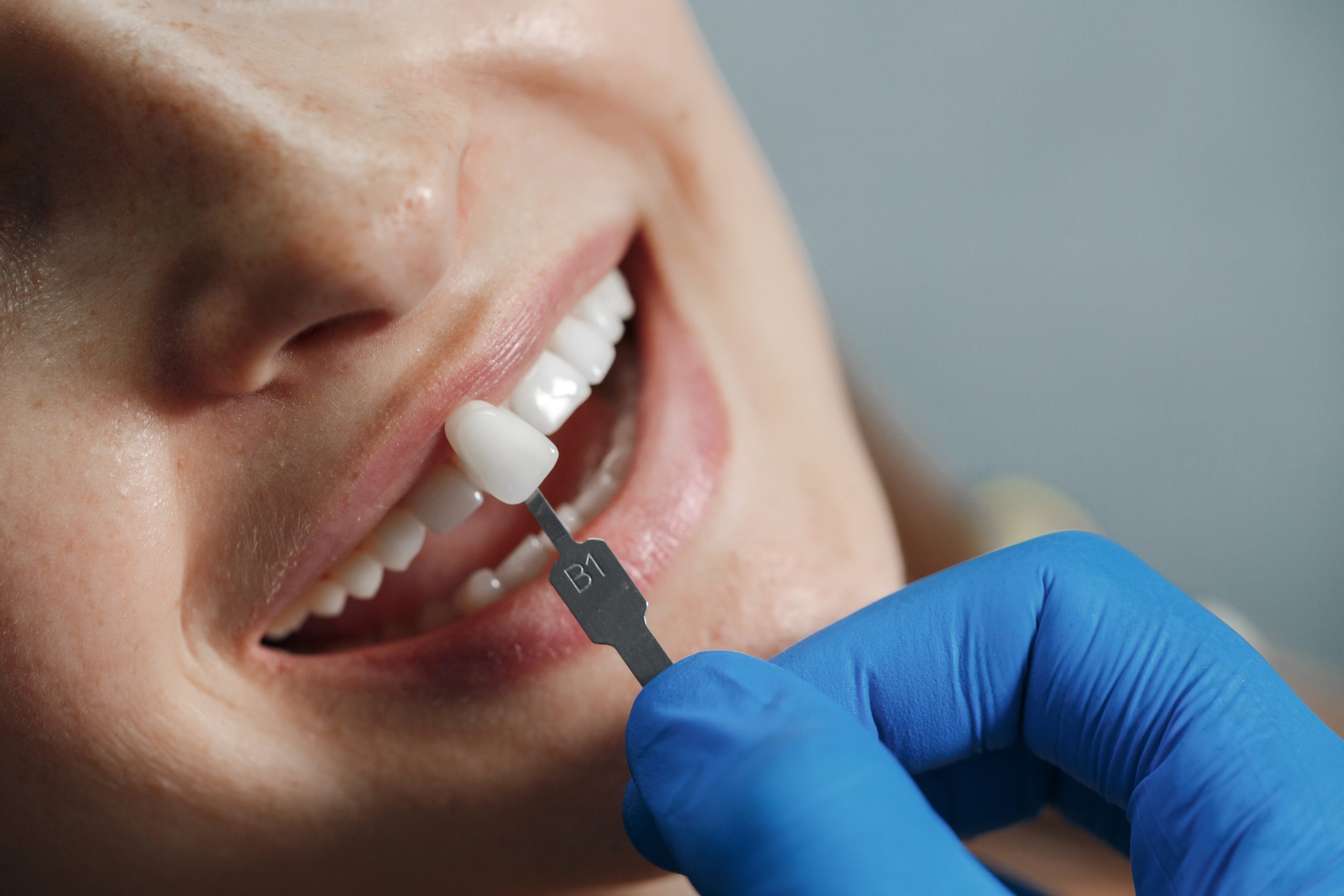
A single tooth implant is a small titanium post that replaces the root of a missing tooth, topped with a custom-made crown that looks and feels like a natural tooth. The post sits in the jawbone where the root used to be. Over a few months, the bone fuses to the post, locking it in place. A small connector, called an abutment, joins the post to the crown. The crown is the part you see, shaped and shaded to match the neighbours.
There are 3 main parts to a single tooth implant:
- The implant post , a small titanium screw placed in the jawbone.
- The abutment , a connector that joins the post to the crown.
- The crown , the visible tooth, usually porcelain or zirconia, made in a lab.
The 3 pieces together act like a natural tooth root, neck, and crown. They do not rely on the neighbouring teeth for support, which is the key difference between an implant and a bridge.
Who is a good candidate for a single tooth implant?
A good candidate has a healthy mouth, enough jawbone to hold the post, and a missing tooth that is bothering them in some way. The 4 things our specialists check are:
- General health. Most adults are candidates. Conditions like uncontrolled diabetes or active gum disease slow healing and need to be managed first.
- Jawbone quality. There needs to be enough bone. If a tooth has been missing for years, the bone may have shrunk and a graft may be needed.
- Neighbouring teeth health. The teeth next to the gap should be healthy enough not to need their own work soon.
- Habits. Smoking slows healing. Grinding at night can overload the implant and may need a night guard.
If 3 of the 4 are good and one needs work, the plan is built around that work.
How does a single tooth implant compare to a bridge or a partial denture?
An implant replaces the tooth root and stands on its own. A bridge sits on the neighbours. A partial denture clips onto the neighbours and rests on the gum. Each has its place. The 3 main options compare as follows:
For a single missing tooth with healthy neighbours, an implant is usually the most natural, longest-lasting option. A bridge is faster and cheaper up front, but it relies on the neighbours for support. A partial denture is the most affordable, but it is removable and less natural.
What is the path from first visit to final crown?
A single tooth implant is a step-by-step process, usually over 4 to 8 months. Here is the path most patients at our practice follow:
- First visit and assessment. A chat about the missing tooth, the timeline, and your goals. A clinical look at the gap, the bite, the neighbours, and the gum.
- 3D scan and planning. A CBCT scan shows the bone in three dimensions. The team plans the post position, the angle, and the final crown shape in software.
- Implant placement. The post is placed under local anaesthetic. A healing cap is fitted, and the gum is closed over the post.
- Healing, 8 to 12 weeks. The bone fuses to the post. A temporary tooth can be made for the visible front area during this time.
- Impression for the final crown. A scan or mould is taken for the lab to make the final crown.
- Fitting the crown. The crown is screwed or cemented onto the post. The bite, shape, and shade are checked.
- Review at 4 to 6 weeks. A short check to make sure the gum, bite, and cleaning are in good shape.
- Long-term review. A check every 6 to 12 months keeps the implant, the gum, and the bone healthy.
What comfort supports are available during the visits?
A few patient comforts make the assessment, the surgery, and the follow-ups easier. Our practice offers a computerised anaesthetic unit that numbs drop by drop, aromatherapy eye packs, virtual reality DVD viewers during longer visits, and premedication or inhalational analgesia for anxious patients. Italian espresso, tea, and herbal infusions are served in the lounge.
How do you care for a single tooth implant?
A single tooth implant is cleaned like a natural tooth, with extra attention at the gumline. The 4 care steps are:
- Brush twice a day with a soft toothbrush, paying attention to the gumline.
- Clean around the implant with floss or an interdental brush.
- See the hygienist every 6 months for a clean and a check.
- Avoid smoking, which slows healing and raises the risk of bone loss.
A well-cared-for implant can last 15 to 25 years, often longer. The crown may need replacing after 10 to 15 years, but the post is usually fine.
How to get help from our Turramurra team
If you are missing a single tooth, the first step is a single tooth implant assessment at our practice. We see patients from Turramurra, Wahroonga, Warrawee, Pymble, Gordon, Killara, Lindfield, Roseville, St Ives, and Hornsby.
- Practice : Dental Specialists of Turramurra
- Address : Suite 1-2 / 1335 Pacific Highway, Turramurra NSW 2074
- Phone : (02) 9488 7455
- Hours : Monday to Friday, 9:00 am - 5:00 pm
To read more about the implant process and the planning, see our Single Tooth Implant page. For a broader look at how a single implant fits into a full-mouth plan, our Anti-ageing Complex Restorative Dental Care page is a good next read.
Frequently Asked Questions
How much does a single tooth implant cost?
Fees vary by case, by bone, and by the type of crown. Our team gives a written quote after the assessment. We accept BUPA, Medibank, and other major funds, and offer payment plans through Afterpay, DentiCare, and humm.
Does getting an implant hurt?
Most patients say it is easier than they expected. The computerised anaesthetic numbs the area drop by drop, and the post is placed through a small opening. Mild soreness for a day or two is normal.
Can an implant fail?
Implant success rates are high when the planning and the aftercare are right. Risks include smoking, uncontrolled gum disease, and grinding. Our team plans for these and reviews the implant regularly.