

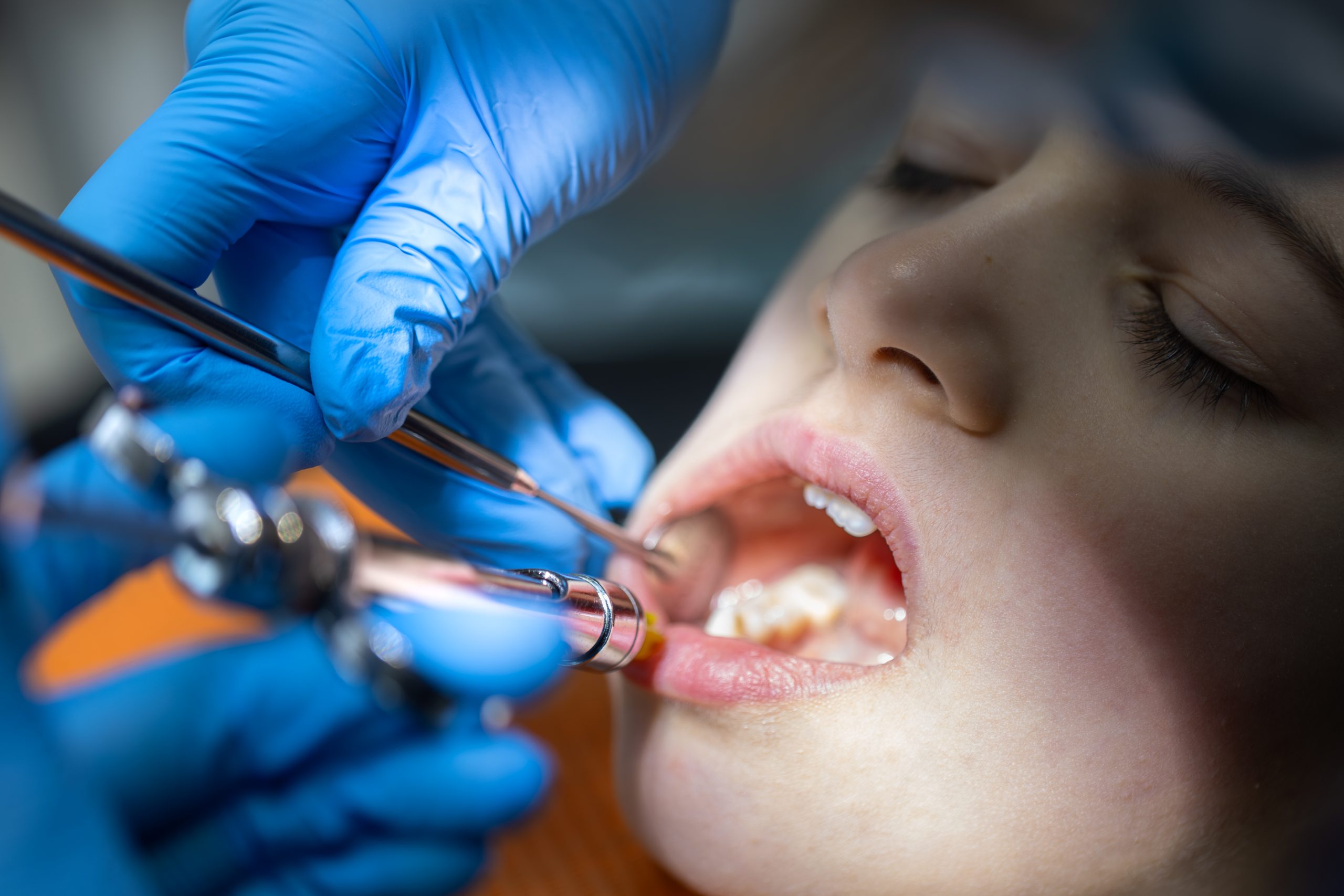
Tooth decay (also called dental caries) is a hole that forms when acid from bacteria softens a tooth's hard outer layer. Our Tooth Decay and Cavity Treatment team at Dental Specialists of Turramurra finds the decay, cleans it out, and rebuilds the tooth so you can chew and smile comfortably again.
If you have a dark spot, a hole you can feel with your tongue, or a tooth that twinges on cold or sweet food, this guide is for you. We will walk through what decay is, how a dentist chooses between a filling, inlay, onlay, or crown, and what you can do at home so the same tooth does not break down again.
What is tooth decay?
Tooth decay is damage to a tooth caused by acid from bacteria in plaque, the sticky film that builds up on teeth between brushes. When you eat sugary or starchy foods, bacteria turn those sugars into acid. That acid slowly dissolves the hard outer layer of the tooth, called enamel.
At first, the enamel loses a little mineral. This early stage can be reversed with good cleaning and fluoride. If acid attacks keep coming, a cavity (a small hole) forms. Once there is a true hole, the tooth cannot grow that bit back. A dentist needs to clean it out and fill the space.
A tooth has three parts: enamel (the hard white outer layer, with no nerves), dentine (the softer yellow layer under it), and pulp (the soft centre that holds the nerve). Decay starts in the enamel, then reaches the dentine, then the pulp. The deeper it goes, the more it hurts and the bigger the fix.
What are the common signs of tooth decay?
Tooth decay can be silent at first, which is why regular check-ups matter. When symptoms do appear, watch for a dark spot or hole you can see or feel with your tongue; sensitivity to cold or sweet food; food getting stuck in the same spot; a rough or broken edge; aching or throbbing that gets worse at night; and bad breath or a bad taste that does not go away.
If you have any of these, our team can take a close look and an x-ray to see how deep the decay goes. Our lead prosthodontist Dr Anthony Au and our specialists treat decay cases of every size, from a small pit to a tooth that needs rebuilding from the root up.
Filling, inlay, onlay, or crown - which fix is right?
The right fix depends on how much healthy tooth is left. Our team weighs the size of the cavity, where it sits, and how much chewing pressure the tooth takes.
- A filling plugs a small to medium hole in the mouth in one visit, using tooth-coloured composite resin.
- An inlay is a small custom piece that fits inside the tooth, when a cavity is too big for a filling.
- An onlay rebuilds the lost chewing surface when a cavity covers one or more chewing points (cusps).
- A crown is a cap that covers the whole tooth above the gum. It is the right fix when there is not enough tooth left to hold a filling safely.
A typical filling takes 30 to 60 minutes. You can eat on the tooth once the numbness wears off. For inlays, onlays, and crowns, we add one extra step: a digital scan or impression, a lab-made custom piece, and a short second visit to have it cemented in. Our team uses a computerised anaesthetic unit that delivers local anaesthetic drop by drop through a tiny point, so numb-up is gentler than a conventional needle.
How do you stop tooth decay coming back?
A filling does not make a tooth immune. The same bacteria that caused the first cavity can cause another one nearby. Stopping decay coming back is about daily habits and regular maintenance.
For patients at higher risk of decay - for example, people with many past fillings, dry mouth, or fixed braces - our team can tailor a prevention plan at a Preventative Care visit.
When should I see a dentist urgently?
Most decay can wait a few days. Call us sooner if you have a throbbing ache; swelling in the gum, face, or jaw; a bad taste or pus near a tooth; a filling or crown that has fallen out; or pain when biting that stops when you let go. For anything that affects your breathing or swallowing, go straight to your nearest hospital emergency department.
Book a check-up at our Turramurra practice
If you are in Turramurra or anywhere on the upper North Shore, our team at Dental Specialists of Turramurra is here to help. Call (02) 9488 7455 to book. The practice is at Suite 1-2, 1335 Pacific Highway, Turramurra NSW 2074, open Monday to Friday, 9:00 am to 5:00 pm.
Frequently Asked Questions
Can a small cavity heal on its own?
A cavity that has formed a true hole cannot grow back. The very earliest stage of mineral loss can sometimes be re-hardened with fluoride and better cleaning. Once a hole is there, a dentist needs to fill it.
What happens if I ignore a cavity?
It will keep getting bigger, and the fix will get bigger too. A small cavity that needs one filling can grow into a deep cavity that needs a crown, a root canal, or even removal. Treating it early is almost always simpler and cheaper than waiting.
Where can I learn more about restoring badly damaged teeth?
For teeth that need more than a simple filling, our Restorative Treatments page walks through inlays, onlays, crowns, and larger rebuilds. Dr Au and our team tailor each plan to the tooth in front of them, because no two cases are the same.